Digital Twin Technology: Bridging Physical And Virtual Environments For Modern Engineering
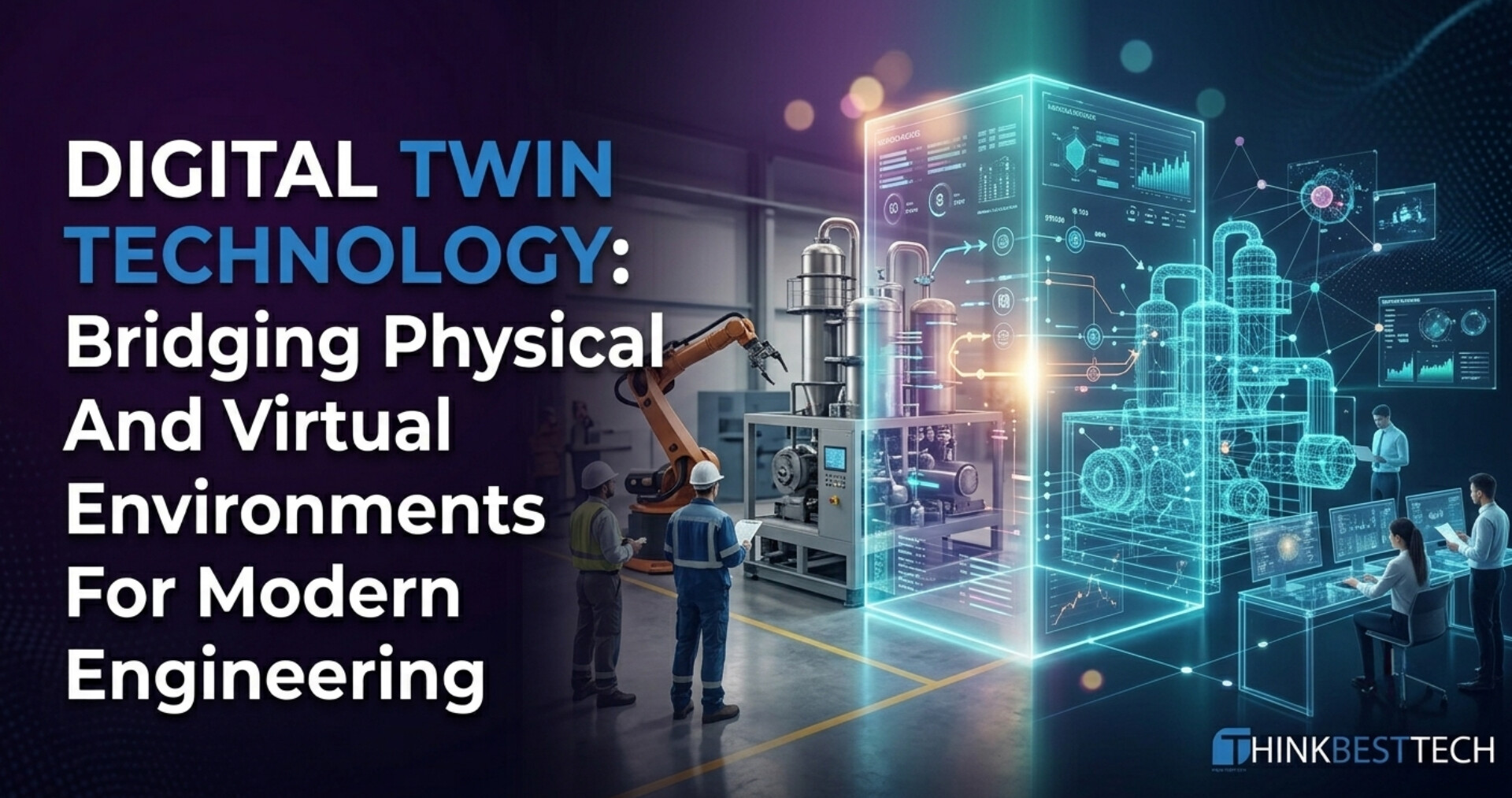
Modern engineering constantly seeks methods to reduce physical waste while maximizing operational efficiency. Creating a perfect virtual replica of a physical object, system, or process offers an elegant solution to this challenge. Digital twin technology goes far beyond standard computer-aided design by establishing a continuous, real-time data connection between a tangible asset and its digital counterpart. This dynamic synchronization allows operators to monitor, simulate, and optimize complex workflows without interfering with actual physical operations.
Mechanics of Real-Time Synchronization To create an accurate virtual reflection, physical assets are outfitted with an array of highly sensitive environmental and operational sensors. These hardware components constantly transmit telemetry data—such as temperature, structural stress, and power consumption—back to a central processing unit. The virtual model absorbs this incoming data stream and updates itself instantaneously. This creates a living blueprint that perfectly mirrors the current state of its physical counterpart, allowing engineers to observe internal mechanics and systemic behavior from thousands of miles away.
Revolutionizing Predictive Maintenance Industrial manufacturing heavily relies on this synchronization to prevent catastrophic equipment failures. Traditionally, machinery maintenance occurred on a strict schedule or after a breakdown had already happened. By running simulations on a virtual replica, artificial intelligence algorithms can analyze wear-and-tear patterns to predict exactly when a specific component will fail. Repair teams receive automated alerts to replace parts just before they break, drastically reducing unscheduled downtime and extending the lifespan of multimillion-dollar industrial hardware.
Scaling Up to Smart Urban Infrastructure The application of this technology extends far beyond individual machines; city planners are now simulating entire metropolitan areas. Urban models incorporate real-time data from traffic cameras, public transit networks, and power grids. Civil engineers utilize these massive structures to simulate traffic flow, severe weather events, or new highway constructions before laying a single brick. By testing different scenarios in a risk-free virtual environment, municipalities can optimize energy distribution, leading to more sustainable smart cities.
Transforming Medical Research and Healthcare Medical science is also embracing this simulation framework to pioneer highly personalized healthcare solutions. Researchers are developing virtual models of human organs based on precise patient scans and genetic data. Before performing highly complex surgeries, doctors can practice their procedures on a patient’s exact anatomical replica. Furthermore, pharmaceutical companies use these biological models to simulate how different medications will interact with specific genetic profiles, accelerating drug development while minimizing risks associated with early-stage clinical trials.
Enhancing Integration With Artificial Intelligence A virtual replica is only as useful as the insights it provides. Machine learning serves as the analytical brain behind these complex simulations. As physical assets generate terabytes of operational data over their lifecycle, artificial intelligence processes this historical information to uncover hidden efficiency bottlenecks. The system can autonomously test millions of slight operational adjustments within virtual space, identifying absolute optimal settings for peak performance, which are then applied to real-world assets to maximize overall output.