-
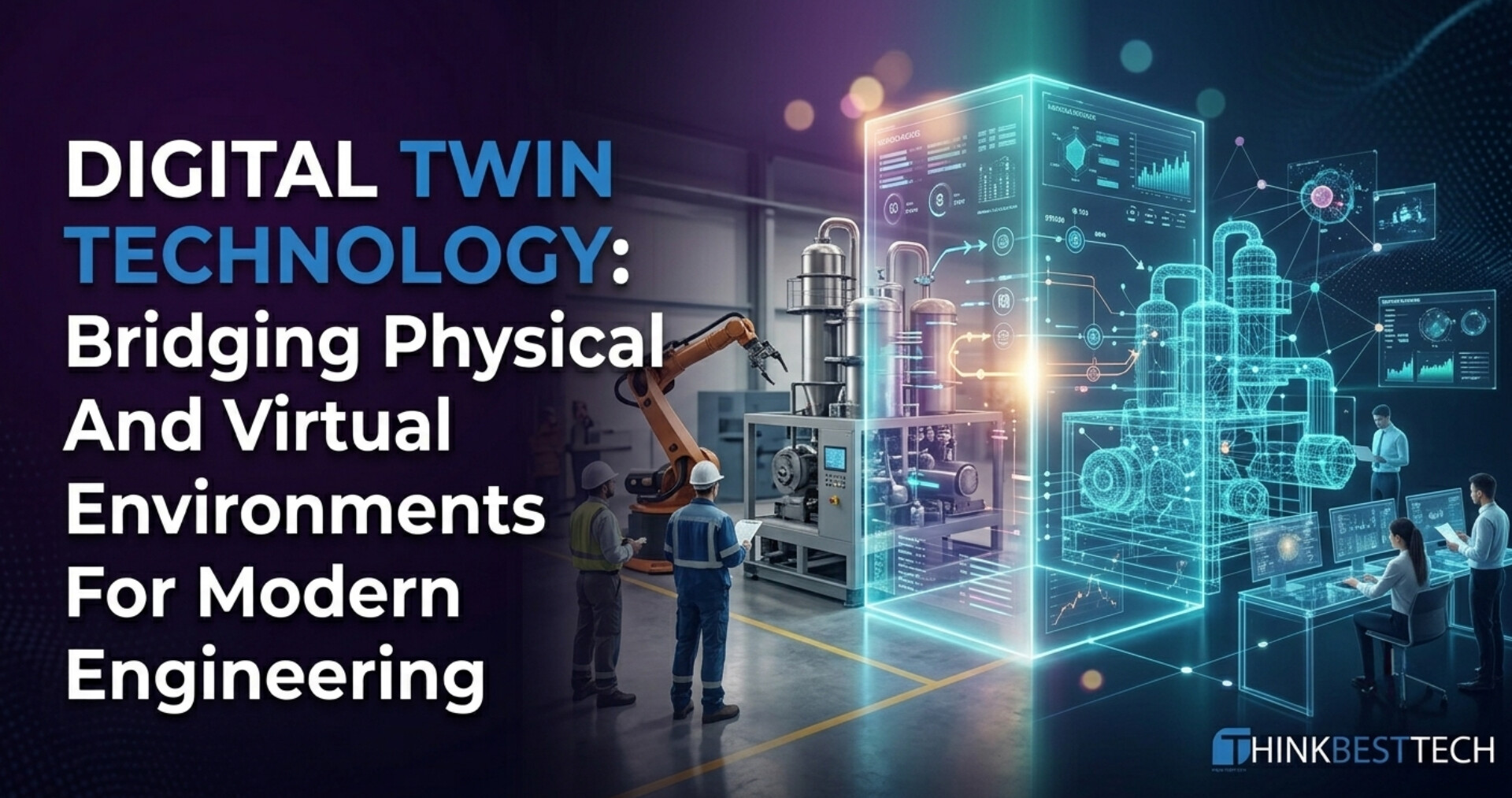
Digital Twin Technology: Bridging Physical And Virtual Environments For Modern Engineering
Modern engineering constantly seeks methods to reduce physical waste while maximizing operational efficiency. Creating a perfect virtual replica of a physical object, system, or process offers an elegant solution to this challenge. Digital twin technology goes far beyond standard computer-aided design by establishing a continuous, real-time data connection between a tangible asset and its digital…
-
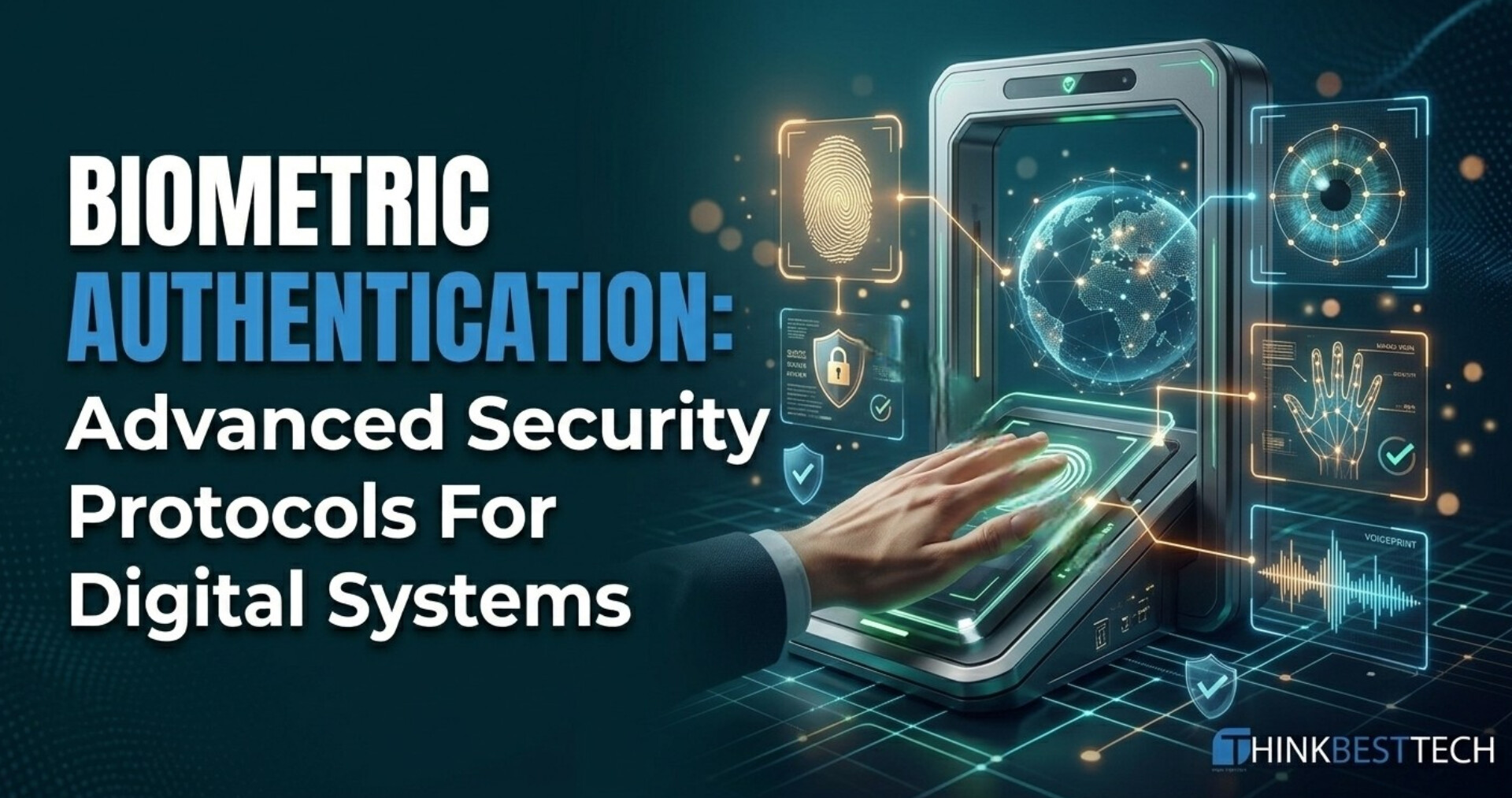
Biometric Authentication: Advanced Security Protocols For Digital Systems
Traditional password protocols are rapidly becoming obsolete in an era of sophisticated cyber threats. Relying on alphanumeric sequences to protect sensitive information leaves systems vulnerable to brute-force attacks, phishing, and human error. To counter these vulnerabilities, digital infrastructure has shifted toward biometric authentication, utilizing unique biological characteristics to verify user identity. This technological leap provides…
-
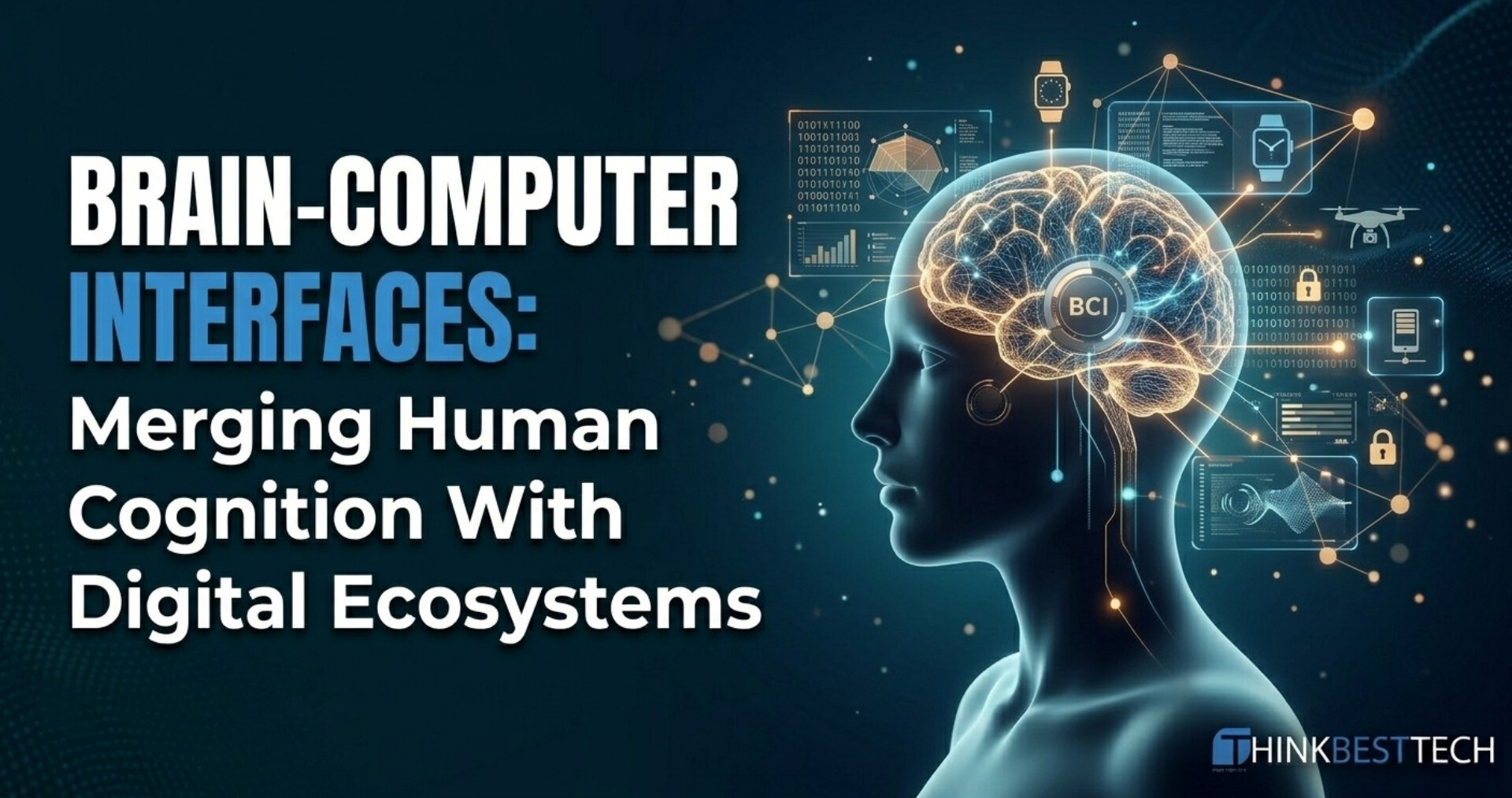
Brain-Computer Interfaces: Merging Human Cognition With Digital Ecosystems
Direct communication between human cognition and external hardware represents one of humanity’s most ambitious technological leaps. Brain-Computer Interfaces bypass traditional physical inputs like keyboards, mice, or touchscreens entirely. Instead, these advanced systems translate raw neural activity directly into actionable digital commands. By capturing electrical signals generated by cortical neurons, specialized software can interpret human intent…